
How to stay active (and safe) during the winter
January 23, 2026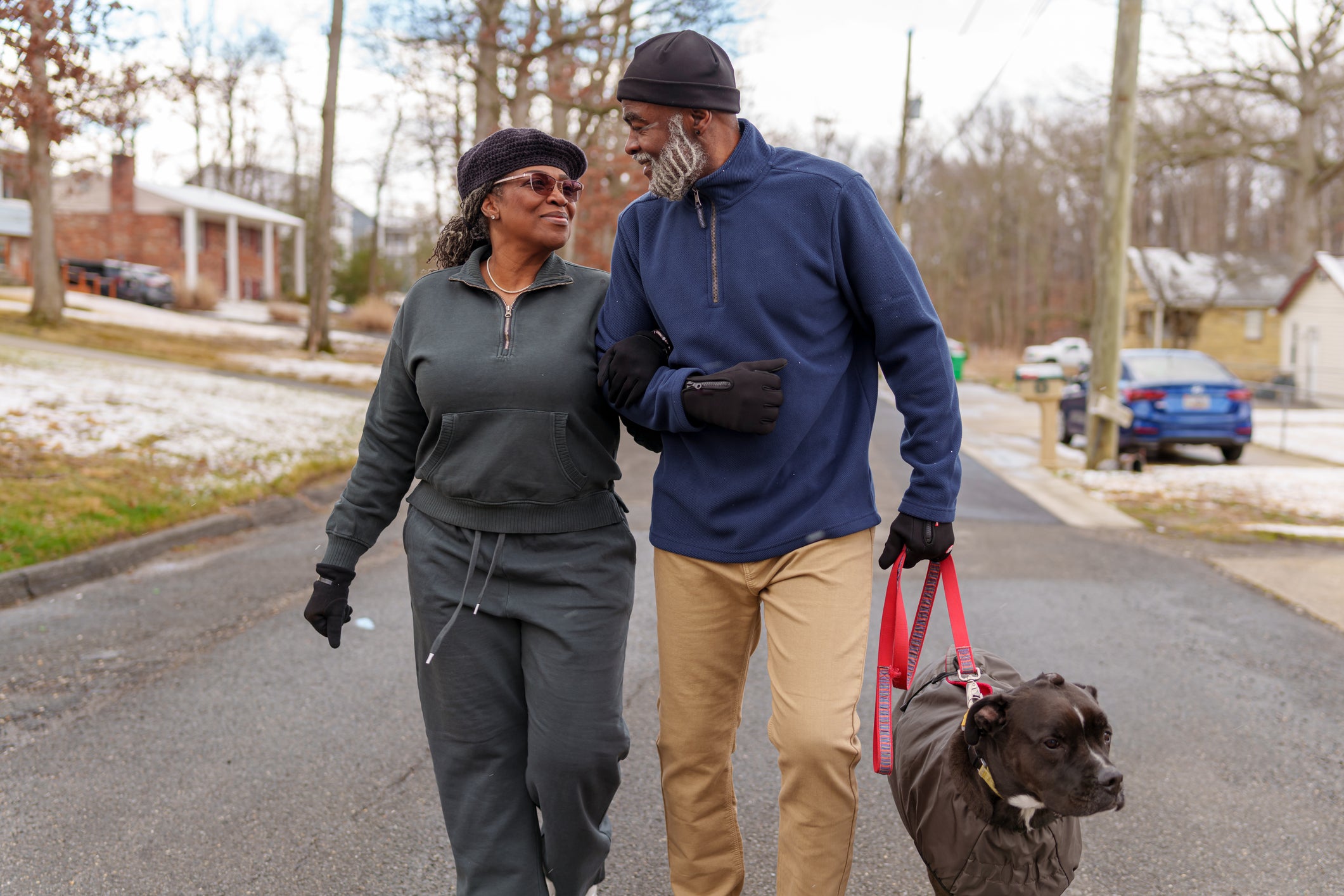
Despite winter bringing a drop in temperature, many people still head outside to participate in activities that can only be done in the colder months. However, while it’s important to stay physically active to maintain your health and wellness, tens of thousands of injuries are directly attributed to winter sports and activities every year. Does that mean you should stay inside all winter? Absolutely not. You can still have an active lifestyle during the colder months while also staying safe.
Health benefits of winter exercise
Exercise provides short and long-term benefits to your overall wellness, such as improved sleep, lowered risk of diseases and strengthening of bones and muscles. However, exercising during the winter has unique advantages that can improve your health even more.
Boosts your immune system
It’s well-established that consistent exercise strengthens the immune system, helping lower the effects of illness and disease. Certain viruses, such as influenza, COVID and other respiratory conditions, peak during the winter months. Yet exposure to cold air specifically can help stimulate the production of white blood cells which enhance immune function.
Improved mood and reduced winter blues
As people stay inside more during the colder months, there is a reduction in exposure to sunlight and, therefore, Vitamin D. Low levels of this vitamin are linked to increased rates of anxiety, depression and overall mental well-being, leading to conditions such as seasonal affective disorder. However, by spending more time outside during the winter, you can improve your mood and reduce the winter blues.
Maintain cardiovascular health
Despite people exercising less during the winter, there is often an increased strain on the cardiovascular system due to your body working harder to stay warm. By maintaining an exercise regimen through the winter, you will improve circulation, reduce blood pressure and enhance your heart function overall.
How to prevent injuries during the winter
While exercising during the winter can be beneficial, there are also unique challenges that need to be addressed. Cold temperatures are the most obvious culprit, with frostbite and hyperthermia being constant threats. Dehydration can also pose a risk, even if it may seem like a summer-only issue. More moisture is expelled in cold air than warmer conditions, and more layers of clothing can potentially mean more sweat. The lower temperatures can trick people into thinking they need less water, but it’s actually the opposite. To ensure your safety, you should:
- Drink water regularly before, during and after exercise.
- Dress for the activity. For example, if running, a good rule of thumb is to wear clothes that are appropriate for weather 15 to 20 degrees warmer than the actual temperature.
- Wear clothing appropriate for winter. Polyester and wool naturally allow moisture to escape. Also, try to wear clothes that are windproof.
Falls are also a major source of injuries, thanks to ice, snow and wet roads. To avoid this, choose footwear with good traction. Snow boots or shoes with slip-resistant soles are ideal. Adding ice cleats or grips to your footwear can provide additional stability in slippery conditions.
Additionally, choose exercise locations that are well-maintained and cleared of snow and ice. Parks, trails or indoor facilities can be safer options. Avoiding areas with uneven terrain or hidden obstacles minimizes the risk of accidents.
Options for winter exercise
It may seem like there aren’t as many options for exercise compared to the warmer months. However, there are many unique, fun experiences that can only happen during the winter. And, if you don’t want to head outdoors, indoor exercise can still be just as beneficial. Here are some options to consider:
Outdoor activities
- Winter hiking. Many trails or parks offer beautiful scenery that is unique to winter. They are also less busy during the colder months, offering a low-impact way to connect with nature, get fresh air, relax your mind and still improve your cardiovascular system.
- Ice skating. You may not be ready to perform a double axel, but ice skating is an effective way of improving balance and coordination while toning your muscles and strengthening your heart.
- Snowshoeing. A low-impact, full-body exercise, snowshoeing offers the same beautiful scenery as winter hiking with a slightly higher exertion level.
Indoor activities
- Winter sports leagues. Check if your community offers indoor winter sports leagues, such as soccer or basketball. Not only does it get you to exercise, but it also provides socialization that many people lack during the colder months.
- At home bodyweight exercises. You don’t need a gym membership to still get a great workout. If you don’t want to head outside, push-ups, squats, yoga and other bodyweight exercises are the perfect way to keep you warm while still maintaining your health.
- Indoor swimming. It may not be summer, but that doesn’t mean you can’t hop in a pool. Many gyms and local clubs have swimming pools that offer classes and other aquatic workouts which promote cardiovascular health and muscle toning.