
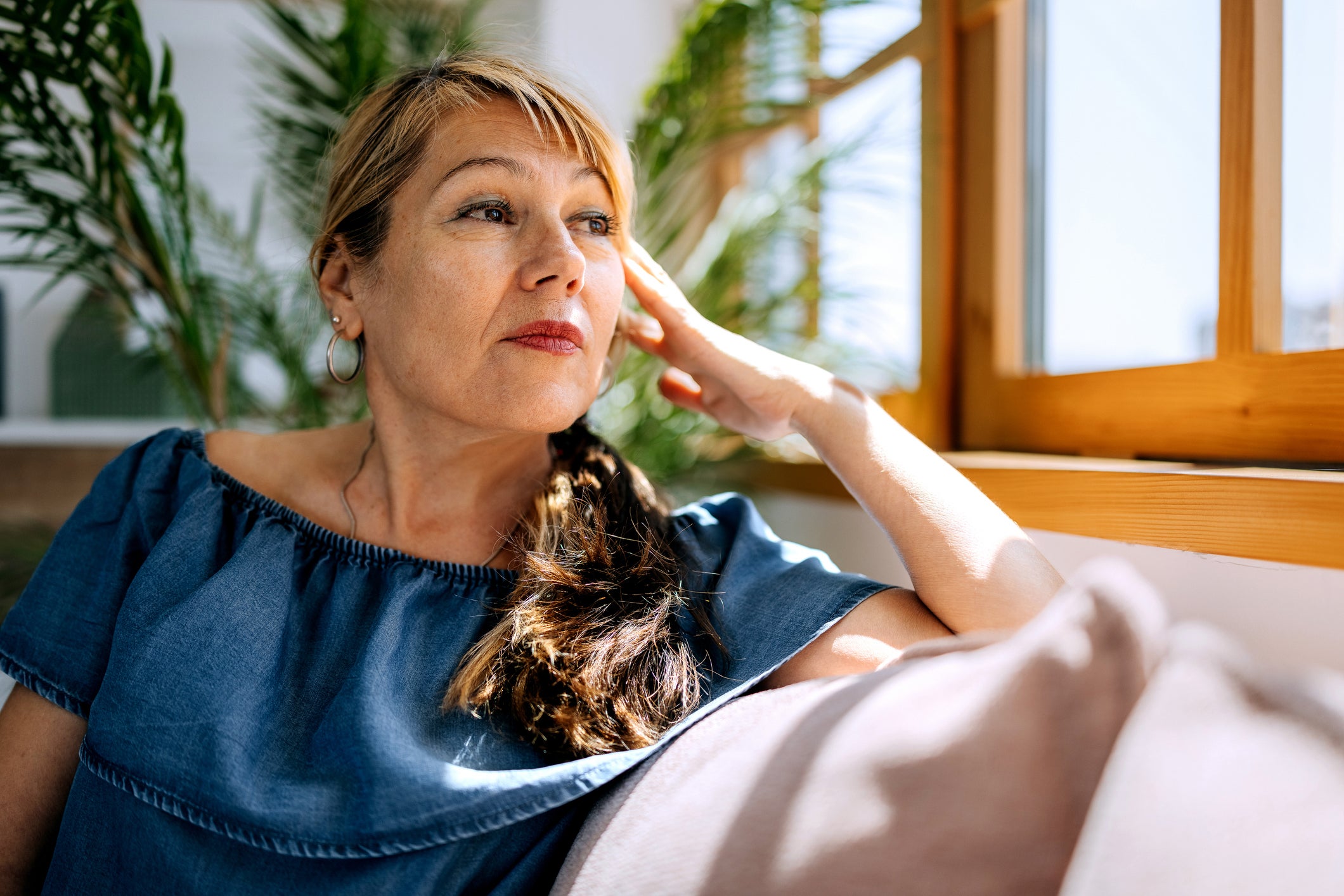
Menopause is a natural life transition, yet it’s anything but simple. Between shifting hormones, sleep disruptions, new aches and changes in sexual wellness, this stage can raise a lot of questions. The good news is that with the right information and support, you can navigate menopause with more confidence and comfort.
What menopause is (and isn’t)
Menopause marks 12 consecutive months without a menstrual period. Most women reach it in their early 50s, although the timing varies. Postmenopause is everything after that one-year mark. The years before your final period are called perimenopause. This is when cycles become irregular and symptoms like hot flashes may begin. It often starts in the mid to late 40s and can last several years.
During this phase, ovaries produce fluctuating levels of estrogen and progesterone, which can throw off your cycle and contribute to symptoms such as hot flashes, sleep issues, mood changes, and brain fog. None of these stages are a disease or condition that indicates something is wrong with your body. It’s a normal part of aging that can be managed with certain treatments and lifestyle changes.
“Multiple hormones influence the menstrual cycle, and each becomes more prominent at different times. Because these hormone levels naturally fluctuate as women age, it’s normal for symptoms to shift as well,” says Jasmine Christopher, NP, nurse practitioner at Saint Joseph Health System.
What are the symptoms of menopause?
Menopause doesn’t look the same for everyone. Some breeze through with mild discomfort while others find symptoms disruptive. Hot flashes and night sweats are the most common, but changes can touch nearly every part of the body, such as sleep, mood, cognition, skin, urogenital health and musculoskeletal comfort.
Hot flashes can occur before your final period and may persist for years. They’re often interwoven with sleep disturbances and daytime fatigue, which can intensify mood symptoms and cognitive fog. Lifestyle approaches, such as cooling layers, identification of personal triggers and stress management, help many women.
Musculoskeletal pain in menopause
One of the less talked about symptoms is musculoskeletal pain, like aches, stiffness and joint pain. Estrogen receptors are found throughout musculoskeletal tissues (bone, muscle, tendons, ligaments), so the reduction in these hormones can influence inflammation, muscle mass, tendon resilience and bone density. That means more morning stiffness, joint discomfort, and slower recovery from activity for many women.
Falling estrogen is linked with changes that can weaken bone, reduce muscle stem cell activity and increase joint or muscle pain. Symptoms may fluctuate day to day as hormones vary through perimenopause.
Daily strategies that can help
- Move with purpose. Aim for a blend of aerobic exercise, resistance training and mobility work. Mind‑body practices like yoga or Pilates can also support mood and sleep.
- Get plenty of sleep as you’re able. Hot flashes and night sweats can erode sleep quality and worsen daytime functioning. Simple adjustments, such as cooling the bedroom, breathable bedding, layered sleepwear, limiting late caffeine and alcoho, can help.
- Eat a vitamin-rich diet. Focus on lean proteins for muscle maintenance, plenty of plants, and calcium‑ and vitamin D‑rich foods to support bone health. A balanced diet also supports cardiometabolic health, which becomes especially important as estrogen declines.
- Build your support system. Social connection, stress management and counseling when needed can make a real difference.
“Managing stress, maintaining a healthy diet, staying active, and keeping up with primary care all play a significant role in supporting hormone balance. Lifestyle changes truly can make a big difference,” says Jasmine.
Evidence‑based treatments
If lifestyle changes are not effectively managing the symptoms of menopause then it may be time to speak with a doctor. Your physician may discuss multiple treatment options, such as:
- Menopausal hormone therapy (MHT). MHT is the most effective treatment for hot flashes and night sweats for many people. If you have a uterus, estrogen is paired with a progestogen to protect the uterine lining. The doctor will consider your age, time since menopause, personal and family history and treatment goals.
- Nonhormonal options. For those who can’t or prefer not to use hormones, several nonhormonal medications can reduce hot flashes. Be cautious with over‑the‑counter supplements as evidence for many herbal products is limited or mixed, and safety can vary.
- Musculoskeletal care. If pain limits activity, collaborate with your clinician. Depending on your needs, plans may include physical therapy, progressive resistance training, targeted mobility work, and evaluation of bone health or inflammatory conditions.
“Hormone therapy can help during the perimenopausal transition, but it isn’t the right choice for everyone. Your personal risk factors and health history guide whether it’s a safe option,” says Jasmine.
Sexual wellness in menopause
One of the biggest worries for those going through menopause is sexual wellness. Shifts in estrogen can affect libido, arousal and comfort. Many women notice vaginal dryness or thinning, reduced blood flow and sensitivity and changes in mood thanks to anxiety. Thankfully, these symptoms are common and treatable. However, these issues generally don’t resolve on their own so early action can help get you back to a fulfilling life.
Sexual health is integral to well‑being so don’t feel bad or worried about talking with your doctor about your concerns. Consider booking a dedicated visit with a specialist or seeking a menopause‑informed provider (such as one affiliated with The Menopause Society). Some solutions a physician might suggest include:
- Start with at‑home changes. High‑quality, water‑ or silicone‑based lubricants reduce friction during intercourse. Regular use of vaginal moisturizers (several times weekly, not just during sex) helps improve baseline comfort. Gentle pelvic floor exercises can also enhance blood flow and function.
- Ask about local therapies. Low‑dose vaginal estrogen (cream, tablet, or ring) is a well‑tolerated option that targets dryness and pain with minimal systemic absorption. For many, this greatly helps, especially when symptoms are persistent or worsening over time.
- Address your entire body. Desire and satisfaction are influenced by sleep, mood, relationship dynamics, medications and medical conditions. Keeping on top of your health and mental well-being will strongly influence your sexual health in the long-term.
When to seek care and what to ask
If symptoms interfere with sleep, work, relationships, or quality of life, it’s time to talk with a clinician. When at your appointment, it’s important to be specific about your worries and goals. Start by bringing a short symptom log (hot flash frequency, pain patterns, sexual discomfort, sleep quality). Some simple questions to ask can include:
- Which treatments fit my lifestyle and goals?
- What are the benefits and risks of MHT or nonhormonal options for me?
- How are we going to monitor any changes over time?
- Can we address some of more concerns about my sexual health?
“If your cycles become irregular, whether that means missing periods, heavier bleeding, or new symptoms, it’s worth scheduling a visit with your provider. Any change that feels unusual to you is something we should evaluate,” says Jasmine.