
Vascular Care

Loading ...

See more ratings.


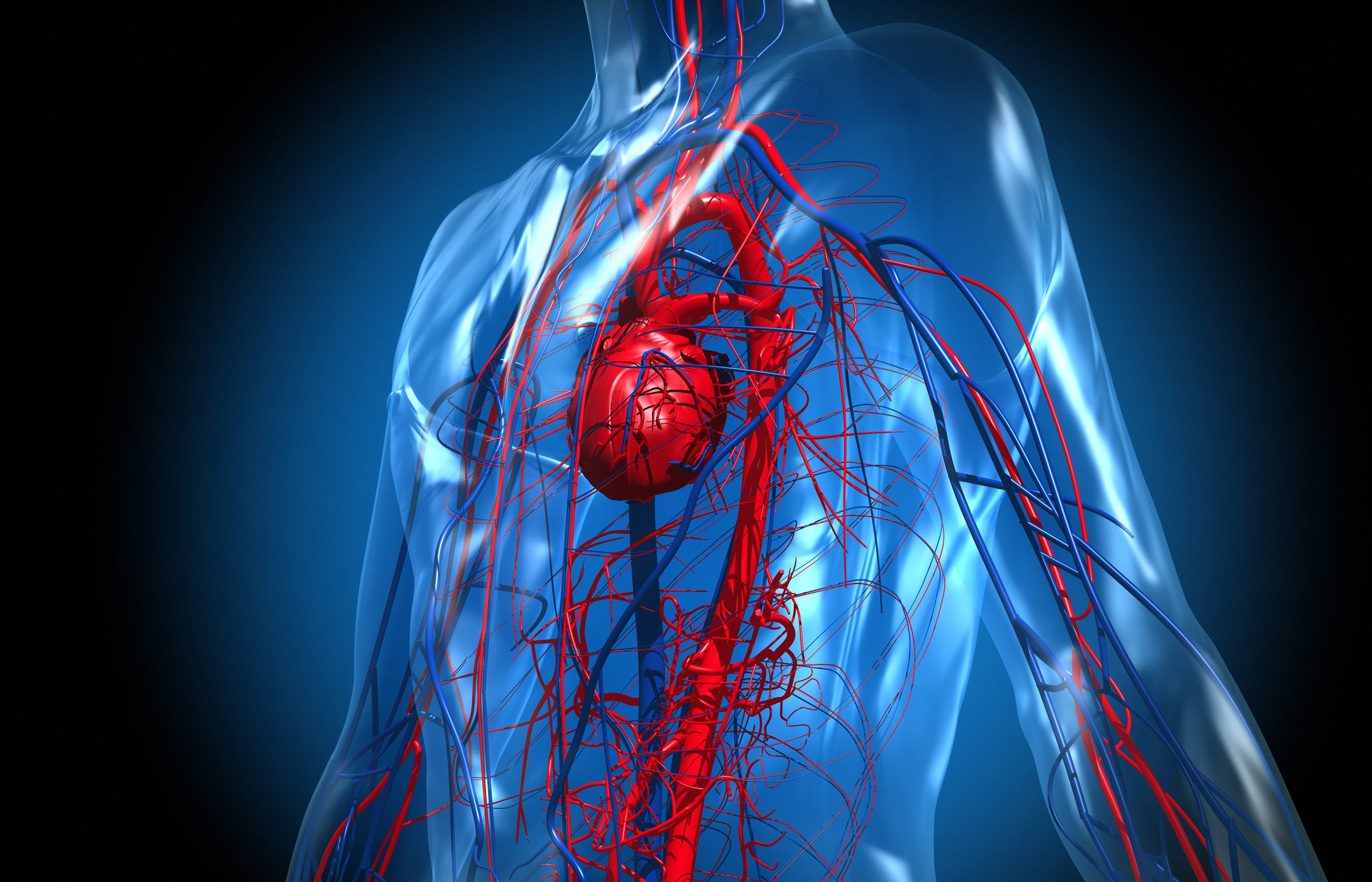
3D render of the human body's vascular system

What Is Vascular Care?

The vascular specialists at Saint Joseph Health System provide expert care for conditions that affect your arteries and veins, helping patients maintain healthy circulation and reduce the risk of serious complications. Whether you're experiencing symptoms for the first time or managing an ongoing vascular condition, our team works closely with you to provide an accurate diagnosis, personalized treatment plan, and the education you need to take an active role in your health. From prevention and early detection to advanced treatment and long-term management, we're here to support you every step of the way.

Understanding Your Vascular Health

nurse with female patient taking blood pressureYour vascular system is responsible for carrying blood throughout your body, delivering oxygen and nutrients to tissues while removing waste products. When blood vessels become narrowed, blocked, weakened, or damaged, circulation can be affected and lead to a variety of health concerns.

Maintaining good vascular health is an important part of your overall well-being. Healthy lifestyle choices, such as avoiding tobacco products, staying physically active, maintaining a healthy weight, and following a heart-healthy diet, can help support healthy circulation and reduce your risk of vascular disease. Our vascular experts can help you understand your risk factors and provide guidance on lifestyle changes and treatment options that promote long-term vascular health.

Vascular conditions are divided into two categories, depending on the type of vessel that they affect. Examples of arterial conditions include abdominal aortic aneurysms, aortic dissections, arteriovenous fistulas, vasculitis, and peripheral vascular disease, among many others. Examples of venous conditions include blood clots, such as deep vein thrombosis (DVT), pelvic venous congestion syndrome, thoracic outlet syndrome, varicose veins, venous insufficiency, venous ulcers, and venous stasis.

Arterial Conditions

  • Abdominal aortic aneurysm
  • Aortic aneurysm
  • Aortic disorders and diseases
  • Aortic dissection
  • Aortic intramural hematoma
  • Arterial tumor
  • Arteriovenous fistula
  • Atherosclerosis (arteriosclerosis)
  • Buerger's disease
  • Carotid artery disease
  • Carotid aneurysms
  • Carotid artery dissection
  • Carotid body tumors
  • Claudication
  • Critical limb ischemia
  • End-stage renal disease (arteriovenous access or peritoneal dialysis)
  • Extremity aneurysm
  • Fibromuscular dysplasia (FMD)
  • Gangrene
  • Median arcuate ligament syndrome
  • Mesenteric aneurysm
  • Mesenteric ischemia
  • Peripheral arterial disease
  • Peripheral vascular disease (PVD)
  • Raynaud's disease (Raynaud's phenomenon)
  • Renal artery disease and stenosis
  • Takayasu's disease
  • Thoracic aortic aneurysm
  • Thoracic outlet syndrome (arterial)
  • Thoraco-abdominal aneurysm
  • Vascular malformation
  • Vascular trauma
  • Vasculitis
  • Vertebral artery disease
  • Vertebral artery dissection
  • Visceral aneurysm

Venous Conditions

  • Blood clots
  • Deep vein thrombosis
  • Indwelling vena cava filter
  • Left renal vein compression (Nutcracker syndrome)
  • Pelvic venous congestion syndrome
  • Thoracic outlet syndrome (venous)
  • Venous malformation (venous)
  • Venous tumor
  • Venous ulcers and venous stasis

Doctor explaining parts of the lung

When treating a vascular condition, our vascular specialists work with you to determine how a given management plan will fit your lifestyle and how to best help you achieve your health goals. To help create a treatment plan, we may suggest ultrasounds, CT scans, or MRIs. These imaging tests can give us the most information possible to guide management. Our vascular treatment methods include innovative solutions, such as minimally invasive transcarotid artery revascularization (TCAR) and hybrid catheterization for abdominal aortic aneurysms (AAA).

Treating Carotid Artery Disease (TCAR)

An innovative new treatment can help patients at risk for stroke due to blockages in the neck arteries, known as carotid artery disease. The procedure, called transcarotid artery revascularization, or TCAR, is minimally invasive and utilizes a new Food and Drug Administration (FDA)-approved system that temporarily reverses blood flow in the artery during the procedure. Dangerous bits of plaque and blood clots that could dislodge and travel to the brain and cause a stroke are safely diverted away while a stent is inserted to open and stabilize the blockage.

Less scarring, fewer complications, faster recovery

Prior to TCAR, the main treatment option for severe carotid artery disease was an open surgical procedure called carotid endarterectomy. This technique allows for protection of the brain during the procedure, but the large incision leaves a visible scar the length of the neck and carries risks including bleeding, infection, heart attack and nerve injuries that can cause issues with swallowing, speaking and sensation in the face.

TCAR is far less invasive, so patients recover more quickly with less pain and with significantly lower risks of both minor and major complications.

The fight against stroke

Every year, 15 million people worldwide suffer a stroke, also known as a “brain attack.” Nearly 6 million die and another 5 million are left permanently disabled.

TCAR is an important new option in the fight against stroke and is particularly suited for patients at higher risk of complications from carotid endarterectomy due to age, other medical conditions or anatomic issues.

Artery blockage detection – AAA Procedure

An abdominal aortic aneurysm (AAA) is a balloon of blood, which can rupture and cause sudden death. Typically, dangerous and invasive techniques are required for treatment. But today, SJHS offers an innovative treatment in an innovative space.

Our hybrid catheterization lab allows for high-quality imaging, surgical preparation, and catheter procedures all in one area. For patients with an AAA, the hybrid lab and operating room offers specialized tools for a minimally invasive surgery.

The procedure requires collaboration among a team of surgeons, cardiologists, anesthesiologists, nurses, and technologists. Through an efficient team approach, a catheter is used to insert an expandable synthetic graft that reinforces the aorta and prevents rupture of the aneurysm. There are many advantages to this team based approach:

  • More precise stent placement
  • Reduced blood loss
  • Minimal trauma to the aorta
  • Less potential for complications
  • Fewer (or no) days in intensive care

In addition, the environment makes it easier for patients and loved ones to see what’s going on. The patient is actively involved in treatment and can see results on screen. The best result by far is that more individuals are surviving and getting home more quickly.

Frequently Asked Questions

Yes, we require a referral. This enables timely and informed visits because we can review your past medical history and any pertinent imaging before you are even scheduled. If any new information is needed, we can obtain it before your visit. This helps reduce the number of office visits.

Imaging, such as ultrasounds, CT scans, or MRIs, can help us determine your course of treatment. We monitor not only new but also existing patients. Our providers follow the most up-to-date guidelines for the treatment of vascular conditions, and many of these guidelines include imaging parameters.

Vascular conditions can greatly affect your quality of life. Luckily, you can control many of the risk factors that lead to vascular disease. When you partner with SJHS vascular experts, we can help you manage your vascular health and keep you living well. To learn more, contact us today.


Provider Ratings

The following ratings and reviews are based on verified feedback collected from independently administered patient experience surveys. The ratings and comments submitted by patients reflect their own views and opinions. Patient identities are withheld to ensure confidentiality and privacy. Learn More >


Loading ...


Loading ...