
AFib and Arrhythmias
A racing, fluttering, or skipping heartbeat can be unsettling — and it's worth getting checked. The cardiology team at Saint Joseph Health System diagnoses and treats atrial fibrillation (AFib) and other heart rhythm problems, called arrhythmias, for patients across Mishawaka and South Bend. Schedule an appointment or call (855) 887-5633.
Schedule online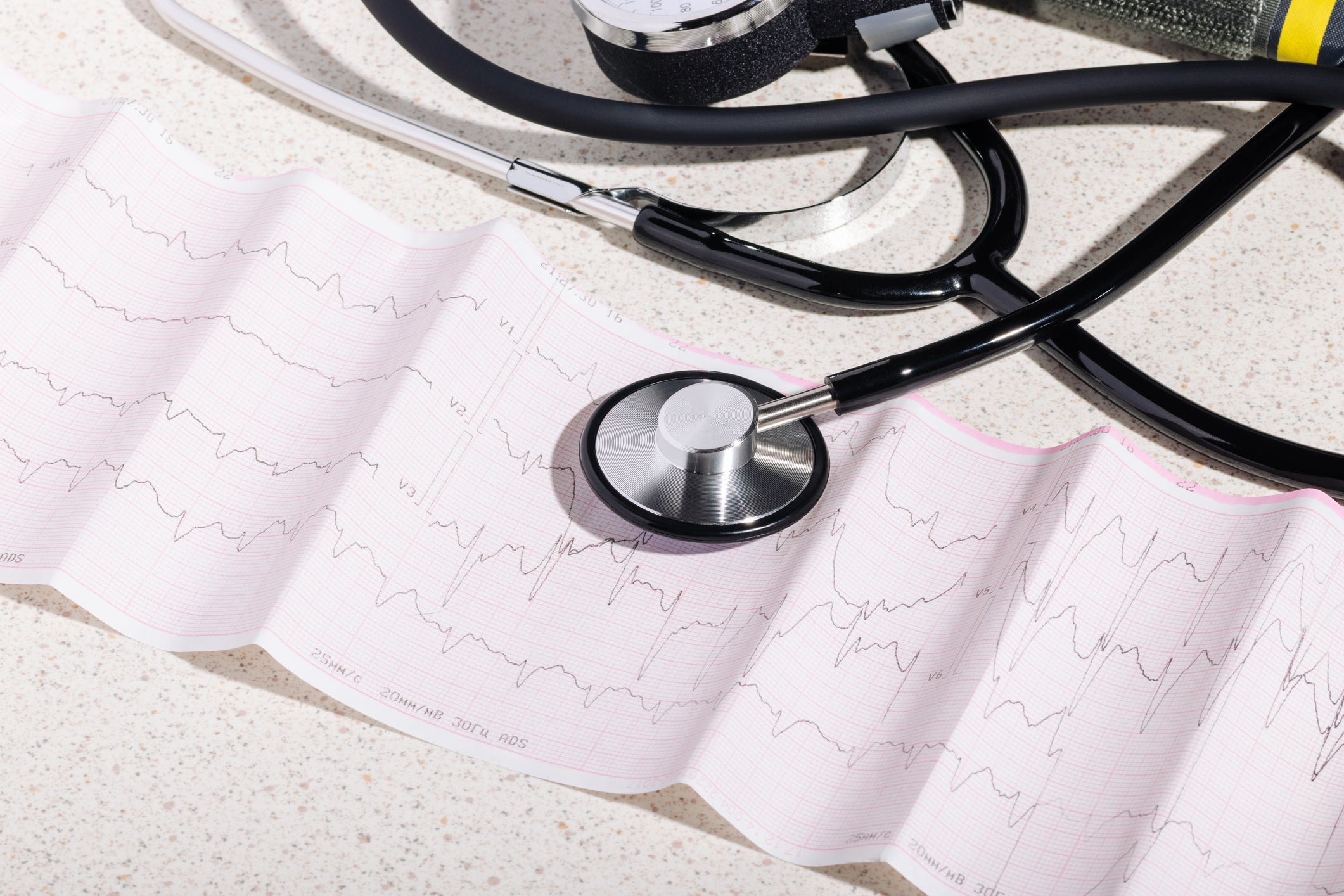
What is AFib?
Atrial fibrillation is the most common heart rhythm problem. The heart's upper chambers beat irregularly and often too fast, which can feel like fluttering, pounding, or a racing heart — though some people feel nothing at all. AFib matters because it can raise the risk of stroke, which is why finding and treating it makes a real difference. With the right care, most people with AFib live full, active lives.
Other heart rhythm problems we treat
Not every irregular heartbeat is AFib. Our team also evaluates and treats tachycardia (a heart that beats too fast), bradycardia (a heart that beats too slowly, which can cause fatigue or dizziness), and palpitations — the feeling of a skipped, extra, or forceful beat. Palpitations are often harmless, caused by stress, caffeine, or poor sleep, but persistent or frequent ones deserve an evaluation to rule out a rhythm disorder.
When to seek care
Make an appointment if your heart frequently races, flutters, or skips, or if palpitations come with fatigue, dizziness, or reduced ability to exercise. Call 911 for a racing or irregular heartbeat with chest pain, fainting, or severe shortness of breath.
How we diagnose and treat rhythm problems
Diagnosis usually starts with an electrocardiogram (EKG) — a quick, painless recording of your heart's electrical activity — and may include a wearable monitor that records your rhythm over days or weeks, plus an echocardiogram to look at the heart's structure. Treatment depends on the rhythm problem and your stroke risk. Options can include medications to control the heart's rate or rhythm, blood thinners to lower stroke risk, cardioversion (a brief procedure that resets the rhythm), and catheter ablation, which treats the small areas of heart tissue causing the abnormal rhythm. [VERIFY ablation/EP program scope] Our team uses advanced heart-mapping technology to guide rhythm procedures with precision. [VERIFY Rhythmia in active use] For people with AFib who can't take blood thinners long term, an implant may be an option — a small device that closes off the part of the heart where most stroke-causing clots form. Because sleep apnea can trigger or worsen AFib, we may also recommend a sleep evaluation through our sleep disorders program. Existing patients can message the team anytime through MyChart.
An irregular, often rapid heartbeat starting in the heart's upper chambers. It can raise stroke risk, which is why treatment matters.
Fluttering or pounding in the chest, fatigue, shortness of breath, or dizziness — though some people have no symptoms and learn of it at a checkup.
No. Many are triggered by stress, caffeine, or lack of sleep. But frequent palpitations, or palpitations with dizziness or chest discomfort, should be evaluated.
With medications, procedures such as cardioversion or ablation, and stroke-prevention steps such as blood thinners — or, for some people, the Watchman implant. Your cardiologist tailors the plan to you.
There's no guaranteed cure, but treatment can control the rhythm, ease symptoms, and lower stroke risk for most people.